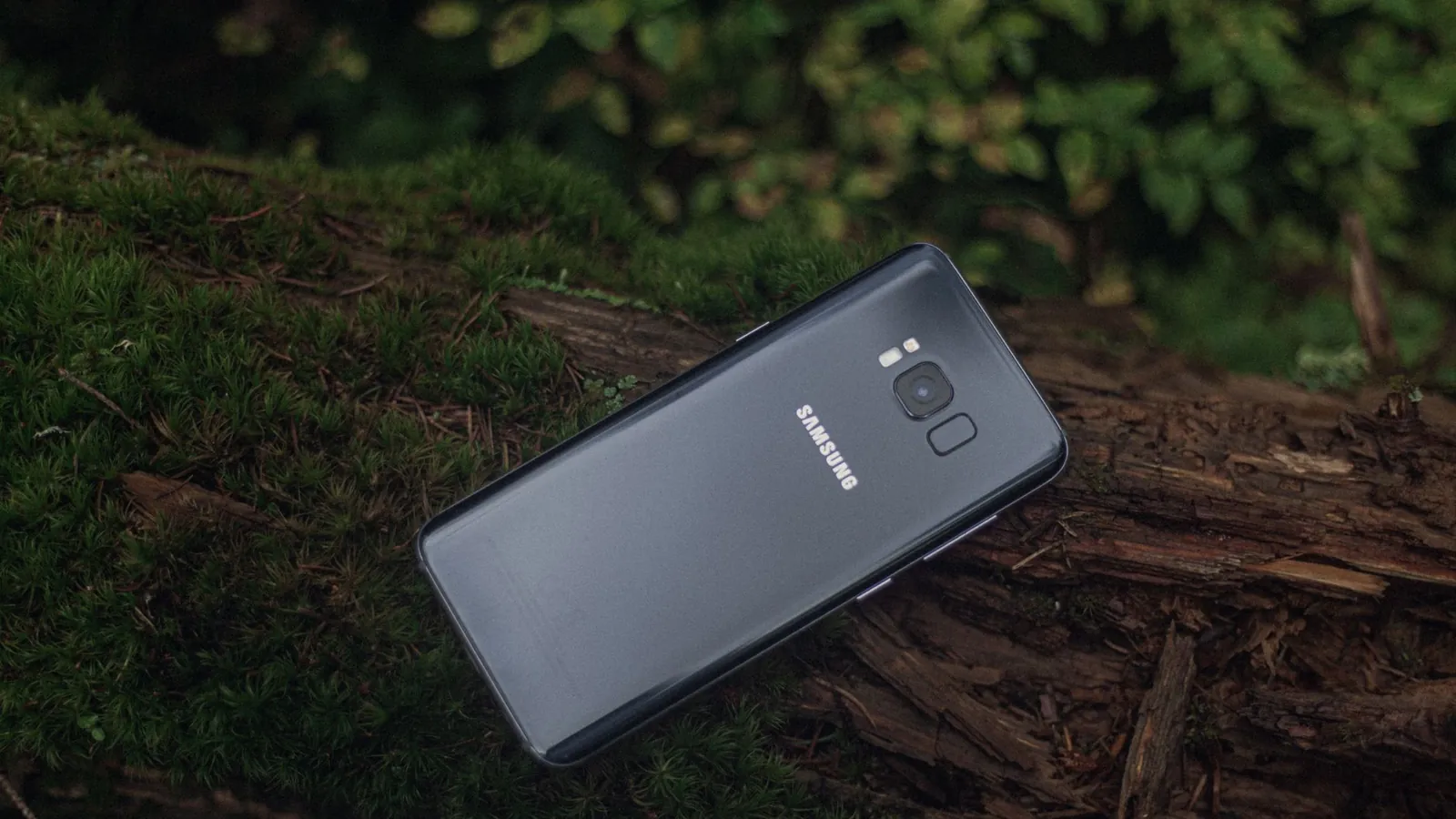
We compare iPhone 17 Pro and Galaxy S26 Ultra on encryption, patching and price, plus which one fits your threat model. Read before you buy.
## The verdict at a glance
Apple wins on raw platform security: the iPhone 17 Pro, paired with iOS 26, still sets the bar for hardware-backed encryption and long-term patch coverage. Samsung's Galaxy S26 Ultra is the better pick if you want that same security inside Android's more open ecosystem, and it now matches Apple on update longevity. Neither phone protects you on a hotel network, which is why our [best vpn privacy guide](#) matters as much as the handset you buy.
## Quick comparison table
| Feature | iPhone 17 Pro (iOS 26) | Galaxy S26 Ultra (One UI 8) |
|---|---|---|
| Secure enclave | Dedicated Secure Enclave, keys never leave chip | Knox Vault, separate security processor |
| Update commitment | 6 to 7 years of iOS updates | 7 years of OS and security patches |
| Biometric unlock | Face ID only | Ultrasonic fingerprint plus face unlock |
| App store policy | Single App Store (EU sideloading since 2024) | Play Store plus Galaxy Store, sideloading allowed |
| Default encryption | Full device encryption, always on | Full device encryption, always on |
| Privacy dashboard | App Tracking Transparency, per-app toggles | Privacy Dashboard, Permission Manager |
| Vulnerability bounty | Up to $2M for critical exploits | Up to $1M via Samsung Mobile Security Rewards |
| Price (unlocked, 256GB) | $1,099 / £1,099 | $1,299 / £1,249 |
## iPhone 17 Pro: where it shines
### Hardware isolation that Android still can't match
Apple's Secure Enclave is a separate coprocessor that handles Face ID data, payment tokens, and encryption keys. The main A19 chip never sees those keys. That design is why Apple has paid out bounties north of $1 million for exploits that break the enclave, and why the company's Lockdown Mode, which disables link previews, most message attachments, and incoming FaceTime from unknown callers, remains the only mainstream consumer feature built for people who think they are being targeted by a nation state.
### Patch velocity
When a zero-day lands, Apple ships a fix in days, not quarters. In 2025, the company pushed 12 emergency security updates, several within 72 hours of public disclosure. Samsung's cadence has improved but still trails. For anyone running a business on their phone, that gap is measurable.
### The catch: you live inside Apple's rules
iOS 26 in the EU now permits sideloading and alternative app stores under the Digital Markets Act. Everywhere else, you install what Apple approves. That is a security feature and a limitation, depending on your threat model.
## Galaxy S26 Ultra: where it shines
### Knox Vault and the enterprise record
Samsung's Knox platform has held Common Criteria and FIPS certifications for years, and it is the only Android build approved for classified use by several European defence ministries. Knox Vault stores biometric and cryptographic keys in a physically isolated chip, the same architectural idea as Apple's enclave. Samsung's bounty program tops out at $1 million, half of Apple's, but the platform is audited by more third parties.
### Seven years of patches, now real
Samsung promised seven years of updates in 2024 and has actually delivered. The S26 Ultra will receive security patches into 2033. That matches Google's Pixel commitment and beats every other Android OEM.
### Flexibility without surrendering the sandbox
You can sideload, run a work profile through Knox, and use Secure Folder to isolate banking apps from the rest of the system. No iPhone equivalent exists. If you want a hardened phone that still behaves like a general-purpose computer, this is the one.
## Pricing and value
The iPhone 17 Pro starts at $1,099 for 256GB, £1,099 in the UK, and around €1,199 in the eurozone. The Galaxy S26 Ultra starts at $1,299, £1,249, and €1,349. Both are carrier-subsidised in the US, often down to $30 to $40 a month on a 36-month plan.
A Google Pixel 10 Pro sits between them at $999 and offers the same seven-year patch window with a cleaner Android build. The Fairphone 6, at €699, is the only phone on the market with a user-replaceable battery and a published repairability score, but its patch commitment runs five years and its chip is two generations behind. If you want the cheapest secure phone, buy a used Pixel 8a for around $300 and keep it patched.
Skip the iPhone if you need sideloading outside the EU or a headphone jack. Skip the Samsung if you want the longest track record on emergency patching. Skip both if you are not going to enable [two-factor authentication](/blog/how-to-set-up-two-factor-authentication-on-any-account), because no handset saves you from a reused password.
## Which one should you choose
If you work in finance, law, or journalism and want the shortest window between disclosure and patch, pick the iPhone 17 Pro.
If you run a [small business](/blog/hostinger-ai-website-builder-guide), need a work profile, and want to sideload internal tools, pick the Galaxy S26 Ultra.
If you are on a budget and just want a phone that gets patched, buy a used Pixel 8a and put the savings toward a reputable VPN subscription, which is where most people's actual exposure lives anyway.
If you are comparing a landline to a cell phone for a home office, the cell phone wins on encryption. A traditional landline carries no end-to-end protection and can be tapped at the exchange. A VoIP line over a modern handset is better, but a mobile phone with full-disk encryption and a locked bootloader is better still.
## FAQ
**Can I switch between iPhone and Samsung without losing security?**
Yes. Both platforms encrypt by default and both support hardware security keys for two-factor authentication. The friction is in app purchases and messaging, not security posture.
**How long should I keep a phone before upgrading?**
Seven years is now realistic for both flagships, provided you replace the battery around year three. Apple and Samsung both charge $89 to $99 for an out-of-warranty battery swap.
**What is the single biggest deal-breaker?**
A phone that stops receiving patches. An unpatched flagship is less safe than a mid-range handset that still gets monthly updates. Check the vendor's security bulletin page before you buy anything used.
Frequently asked questions
Can I switch between iPhone and Samsung without losing security?
Yes. Both platforms encrypt by default and both support hardware security keys for two-factor authentication. The friction is in app purchases and messaging, not security posture.
How long should I keep a phone before upgrading?
Seven years is now realistic for both flagships, provided you replace the battery around year three. Apple and Samsung both charge $89 to $99 for an out-of-warranty battery swap.
What is the single biggest deal-breaker?
A phone that stops receiving patches. An unpatched flagship is less safe than a mid-range handset that still gets monthly updates. Check the vendor's security bulletin page before you buy anything used.
 Tech-N-AI Talks