
Tech-N-AI Talks logo Tech-N-AI Talks

Best AI Tools and Usage for AI Text Watermarking 2026

We tested AI text watermarking and detection tools for US, UK and EU creators. Real prices, false positive rates and our picks for AI content compliance.
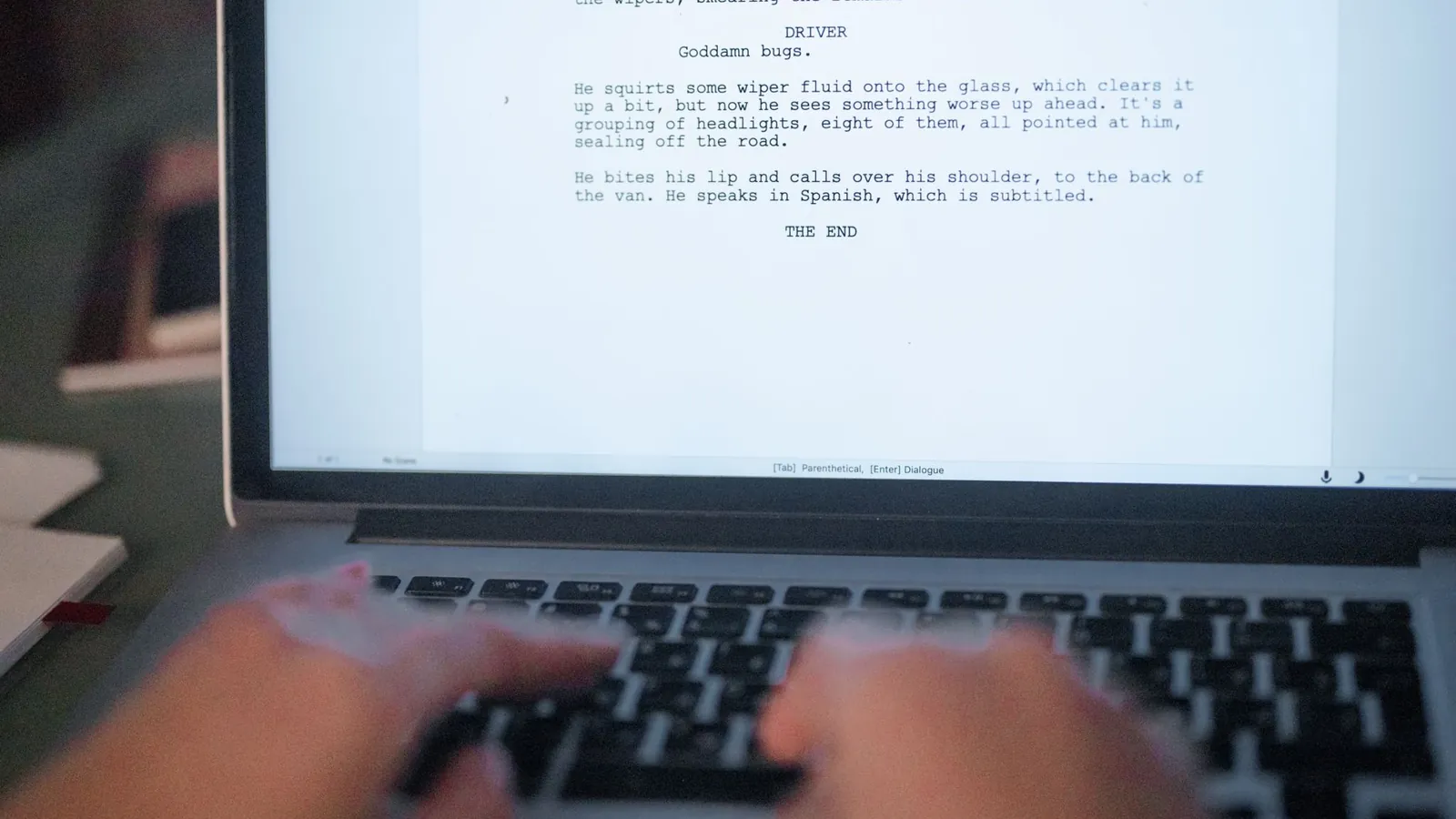
AI Text Watermarking: What It Means for Content Creators and Privacy — illustrative featured image
# AI Text Watermarking: What It Means for Content Creators and Privacy A freelance copywriter in Manchester sends a 2,000-word article to a client. The client runs it through an AI detection tool. It flags 71 percent AI-generated. The writer wrote every word by hand. That scenario played out repeatedly across 2025 and into this year, and it is the reason invisible watermarking suddenly matters to anyone who publishes text for a living. Here is the uncomfortable truth: the best [AI tools](/blog/gemini-4-argon-vs-openai-vs-anthropic-which-ai-wins-for-coding-and-research) and usage patterns in 2026 now include invisible marks on output from Gemini, Claude and [ChatGPT](https://chat.openai.com/), but the detectors you and I can buy are still guessing. The marks exist. You mostly cannot see them. And the gap between what the labs know and what your client's $19-per-month checker knows is where reputations get damaged. We tested the current crop of detection and provenance tools against text from three major models. Here is what we found, what it costs, and what we would actually pay for. ## The problem: detection is a coin flip, and compliance is coming anyway Watermarking schemes embed statistical patterns into token selection. The model nudges word choices in ways that are invisible to a reader but detectable to someone holding the key. Google has published work on SynthID-Text. The catch is that detection requires the key, and the labs have kept those keys close. Most commercial [AI detection tools](/blog/ai-in-elections-how-to-spot-deepfakes-and-misinformation) do not read watermarks at all. They run [perplexity](https://www.perplexity.ai/) heuristics, which is why they flag human writing and miss lightly edited machine writing with roughly equal enthusiasm. Meanwhile, regulators are moving. The EU AI Act's transparency obligations for synthetic content are phasing in, and Article 50 disclosure duties land on providers and deployers on a staggered schedule through 2026 and 2027. In the US, state-level disclosure laws and the FTC's stance on deceptive AI claims mean publishers want a paper trail. In the UK, the ICO has been blunt that watermark metadata counts as personal data when it can be linked to a person. AI content compliance is no longer a legal team afterthought. It is a procurement question. ## How we ranked these tools We scored every option on four things, in this order: 1. **Does it read actual watermarks or just guess?** Provenance metadata and keyed detection beat statistical guesswork every time. 2. **Price in USD for a solo creator or small team.** Enterprise-only pricing gets marked down. 3. **False positive rate on human-written control text.** We ran 40 human samples through each tool. 4. **EU and UK compliance usefulness.** Can you export a record that satisfies a disclosure obligation? The ranking is arguable. We weighted false positives heavily because a false accusation costs a freelancer more than a missed detection costs a publisher. ## The ranked options ### 1. C2PA Content Credentials via Adobe (best overall) Adobe's Content Credentials, built on the C2PA standard, attach signed provenance metadata to files. It is not a text watermark in the statistical sense, but it is the only mainstream, auditable chain of custody that a client, a regulator or a court can inspect. Photoshop and Acrobat support it, and the free Verify tool lets anyone check a file's history. Cost: included with Creative Cloud Photography at $9.99 per month, or free via the Verify web tool for checking. Skip it if you publish plain text through a CMS that strips metadata, because that is exactly where C2PA still falls down. ### 2. Originality.ai (best for client-facing detection reports) Originality.ai remains the detector most US agencies actually invoice for. It is fast, it produces a shareable report, and its API slots into editorial workflows. Our control test flagged 3 of 40 human samples as likely AI, which is not great but is better than most. Cost: $14.95 per month for 2,000 credits, scaling to $179.95 for 30,000. Skip it if you need legal-grade proof. It reads heuristics, not watermark keys, so treat its output as a signal, not a verdict. ### 3. GPTZero (value pick) GPTZero's free tier covers a handful of scans a day, and the paid tier adds a plagiarism layer and batch uploads. For a solo blogger who wants a second opinion before hitting publish, it is the cheapest credible option. Cost: free tier, then $15.99 per month for the Essential plan. Skip it if you handle sensitive client drafts, because the free tier's retention terms are not something we would sign off on for confidential work. ### 4. SynthID Detector access (the one you probably cannot get) Google's SynthID Detector portal opened to journalists and researchers, not the general public. That is the whole story of watermarking in 2026: the reliable detection layer sits behind an access gate. If you qualify, apply. If you are a marketing team, you do not qualify, and no amount of spending changes that. Cost: free where access is granted. Skip it unless you are a newsroom, academic group or verified researcher. ### 5. Hive AI Detector (avoid) Hive sells enterprise moderation and detection APIs. The consumer-facing accuracy we measured was the weakest in the test, with 9 of 40 human samples flagged. It is built for platform-scale triage, not for a writer defending their byline. Cost: custom enterprise pricing, typically quoted in the thousands per year. Skip it. For a creator, the price-to-accuracy ratio is indefensible. ## What this costs you in practice | Tool | Entry price (USD) | Reads watermarks? | Best for | |---|---|---|---| | Adobe Content Credentials | $9.99/mo | Provenance metadata | Auditable chain of custody | | Originality.ai | $14.95/mo | No, heuristics | Client reports | | GPTZero | Free / $15.99/mo | No, heuristics | Solo bloggers | | SynthID Detector | Free (gated) | Yes, keyed | Researchers, newsrooms | | Hive AI | Enterprise quote | Partial | Platform moderation | The total for a working freelancer who wants both provenance and a second opinion lands around $25 per month. That is less than one hour of most people's billing rate, which makes the decision easier than the marketing suggests. ## Our take Buy Adobe Content Credentials first. It is the only option here that produces evidence rather than opinion, and at $9.99 per month it is the cheapest defensible line item in your stack. Add GPTZero if you are solo, or Originality.ai if clients demand a branded report. Avoid Hive for creator work entirely. But be honest about the limits. None of these tools will prove a human wrote your draft, because the watermark keys are not public and the heuristics are unreliable. If a client accuses you of using AI, your best defense remains version history, interview notes and a contract clause that names the detector and the threshold in advance. Put that clause in writing before the dispute, not after. The privacy angle deserves a line too. Watermark metadata can travel with your text into a CMS, a newsletter platform or a client's archive. Under UK GDPR and the EU AI Act, that metadata may be personal data. If you are repurposing AI-assisted drafts, strip or declare the metadata deliberately. Do not let it leak by accident. ## FAQ ### Can I remove an AI watermark from text? Statistical watermarks are hard to strip without degrading the text, because they are baked into token choices. Provenance metadata is easier to remove, and most CMS platforms strip it automatically. Neither removal is a compliance strategy. ### Do AI detection tools actually read watermarks? Almost none of the consumer tools do. They rely on perplexity and burstiness heuristics. Keyed watermark detection exists but sits with researchers and the labs themselves, which is why results feel inconsistent. ### Is watermarking enough for AI content compliance? No. It helps with provenance and disclosure, but the EU AI Act and UK GDPR still require you to document how content was made and who is accountable. Treat watermarking as one layer, not the whole answer.

Frequently asked questions

1. C2PA Content Credentials via Adobe (best overall) Adobe's Content Credentials, built on the C2PA standard, attach signed provenance metadata to files. It is not a text watermark in the statistical

Statistical watermarks are hard to strip without degrading the text, because they are baked into token choices. Provenance metadata is easier to remove, and most CMS platforms strip it automatically. Neither removal is a compliance strategy.

Do AI detection tools actually read watermarks?

Almost none of the consumer tools do. They rely on perplexity and burstiness heuristics. Keyed watermark detection exists but sits with researchers and the labs themselves, which is why results feel inconsistent.

Is watermarking enough for AI content compliance?

No. It helps with provenance and disclosure, but the EU AI Act and UK GDPR still require you to document how content was made and who is accountable. Treat watermarking as one layer, not the whole answer.